How Do You Import a Flying Theater or 5D Cinema from China?
Seven steps from room survey to first show, the Incoterm to choose, how buyers pay, the documents customs and inspectors ask for, and what to prepare before the theater arrives.
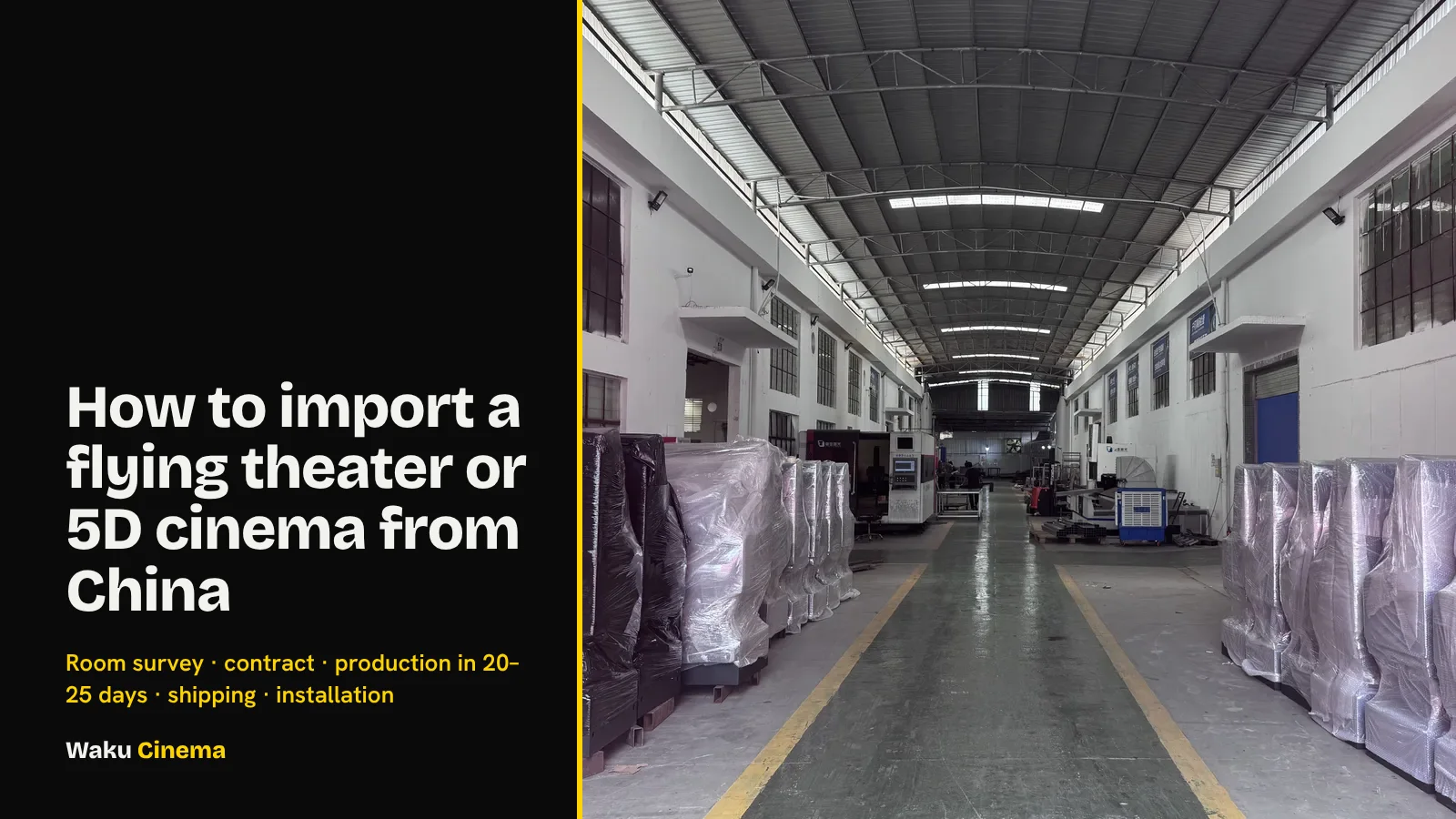
Importing a flying theater or 5D cinema from China takes seven steps: survey the room, get a layout drawing and quotation for your seat count, sign a contract that names the Incoterm and payment terms, let the factory build and test the theater, ship it and clear customs, then have it installed, the films loaded and your staff trained. For a Waku theater, production takes 20 to 25 days after the order, and Waku engineers install it on site.
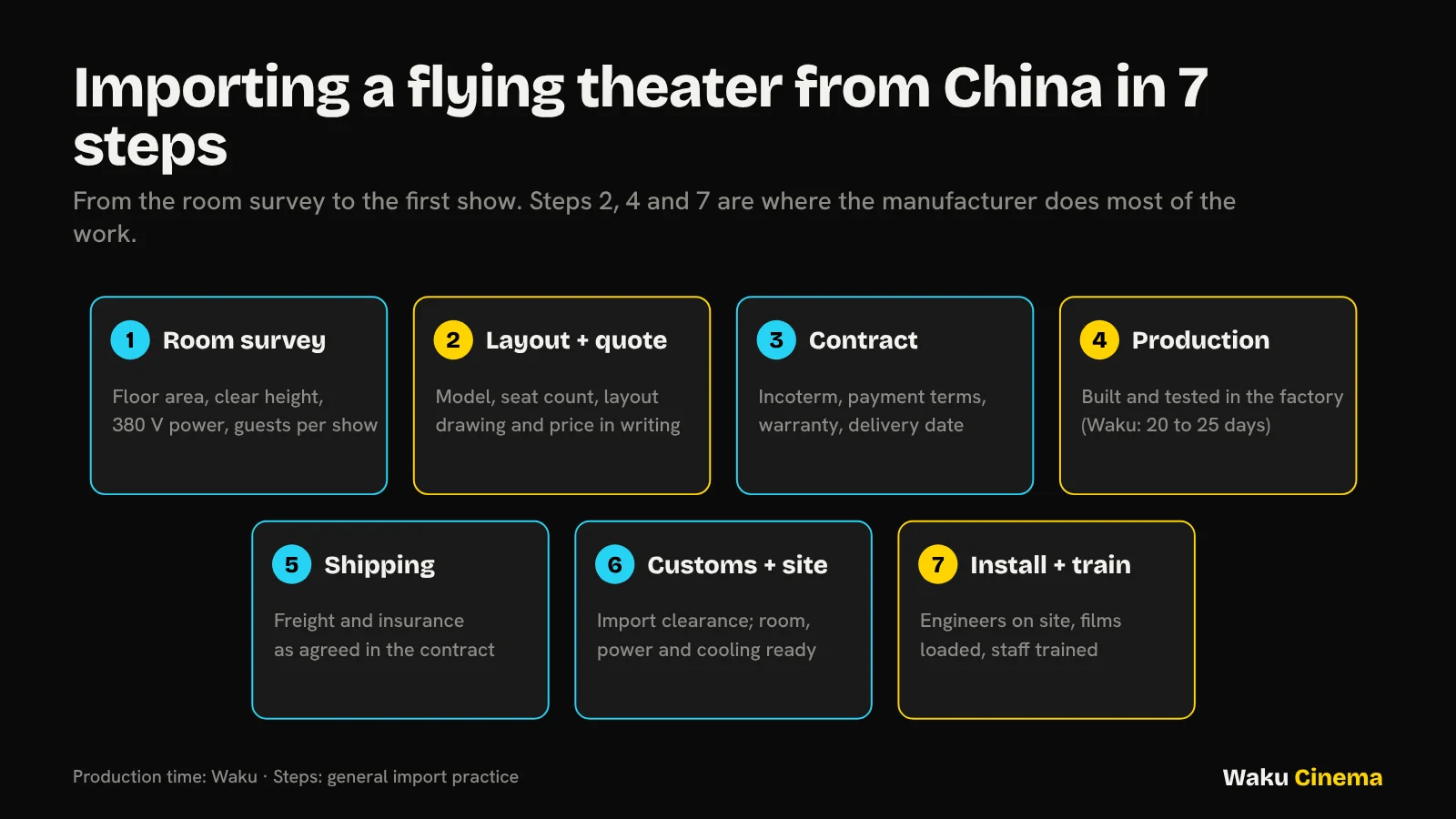
What are the steps to import a flying theater from China?
| Step | What you do | What to get in writing |
|---|---|---|
| 1. Room survey | Measure floor area and clear height, check the 380 V three-phase supply, set guests per show | Your venue brief, sent to every supplier |
| 2. Model and layout | Choose the theater type and seat count that fit the room | Layout drawing for your room, specification, list of included films |
| 3. Contract | Agree the Incoterm, payment, delivery date and warranty | Signed contract with the same company name as the bank account |
| 4. Production and testing | The factory builds the seats, platform, screen and effects and runs the films on them (Waku: 20 to 25 days) | Test video before packing |
| 5. Shipping | Book freight and insurance as agreed in the contract | Commercial invoice, packing list, bill of lading |
| 6. Customs and site works | Clear import customs; finish the room, power and air conditioning | Customs release; room ready to the layout drawing |
| 7. Installation and training | Engineers install, load the films, set the motion programmes and train staff | Handover record, manuals, film list |
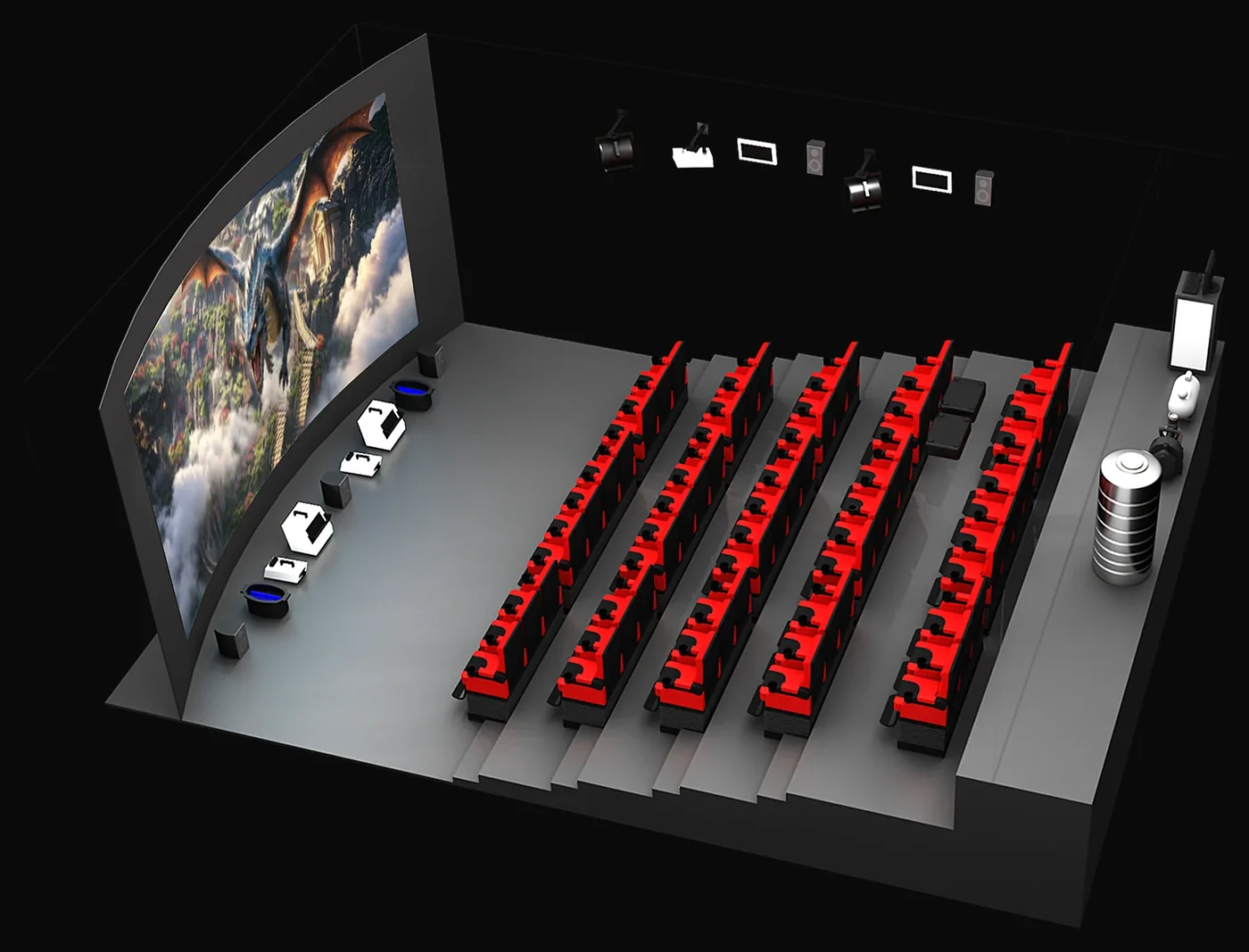
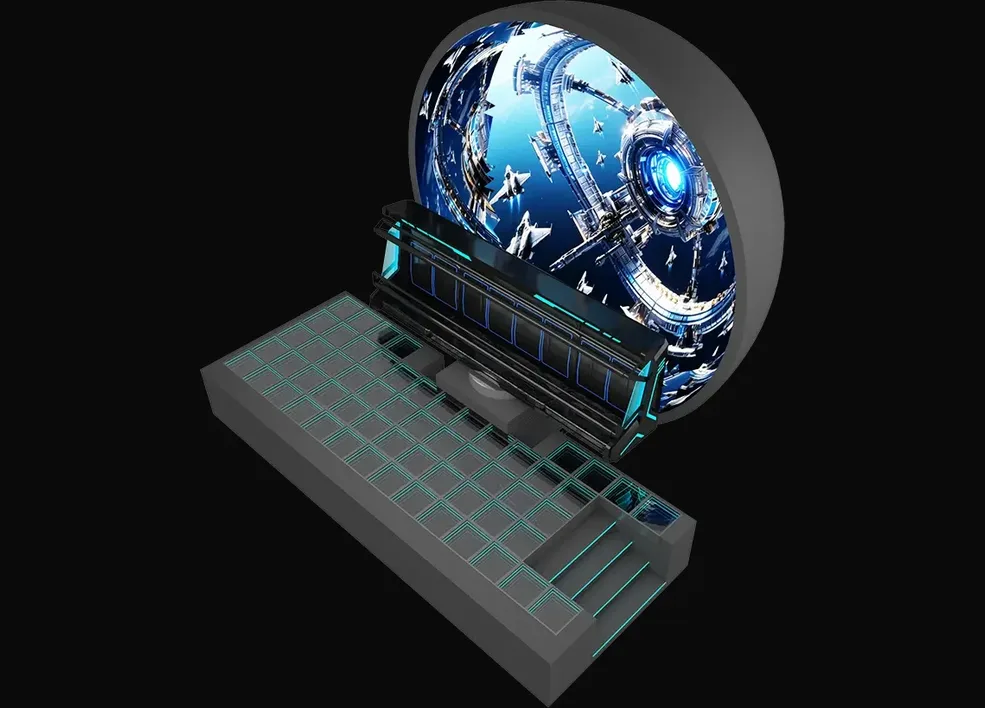
Steps 1 and 2 decide most of the result. A theater is built to a room: the dome flying theater needs at least 3.8 m of clear height, the 5D flying theater fits from 3 m, and every model runs on 380 V three-phase power. Our guide to space and power requirements lists what to measure.
Which Incoterm should you use: EXW, FOB, CIF, DAP or DDP?
An Incoterm is the three-letter rule in the contract that says where the seller’s responsibility ends and the buyer’s begins. The International Chamber of Commerce (ICC) publishes the current set, Incoterms 2020. Four of its eleven rules (FAS, FOB, CFR and CIF) are for sea and inland waterway transport only; the other seven work for any mode.
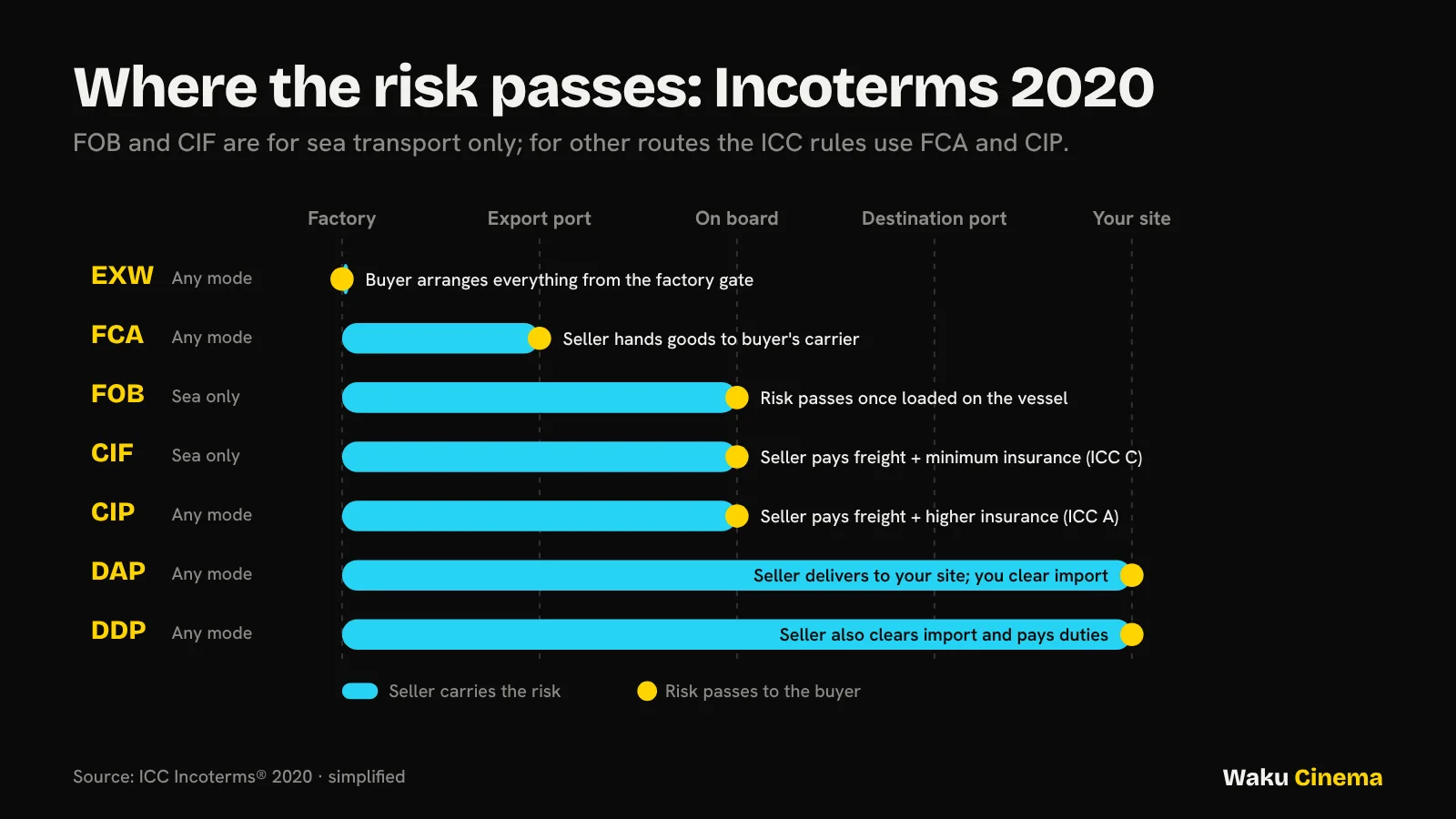
| Rule | Transport | Risk passes to the buyer | Who books the main freight | Suits buyers who |
|---|---|---|---|---|
| EXW | Any | At the seller’s premises | Buyer | Have their own forwarder in China |
| FOB | Sea only | On board the vessel at the port of shipment | Buyer | Have a freight forwarder at home |
| CIF | Sea only | On board the vessel at the port of shipment | Seller, with insurance | Want the seller to book freight to their port |
| CIP | Any | When handed to the first carrier | Seller, with higher insurance | Want wider insurance cover |
| DAP | Any | At your site, ready for unloading | Seller | Want delivery to the door but clear customs themselves |
| DDP | Any | At your site, cleared for import | Seller | Want one price to the door, where the seller can clear import |
Projectors, LED screens and control cabinets are the most sensitive parts of a theater shipment, so check the insurance. Under CIF the seller only has to buy minimum cover (Institute Cargo Clauses C), while CIP requires the wider Clauses A; under both you can agree more. Under FOB and CIF the risk passes when the goods are loaded at the Chinese port.
How do buyers usually pay for a theater from China?
- Bank transfer (T/T) in stages: a deposit when the contract is signed and the balance before shipment is a common structure; the split is agreed in the contract.
- Letter of credit (L/C): the buyer’s bank pays when the seller presents the documents named in the credit. Most commercial letters of credit follow the ICC rules UCP 600, in force since 1 July 2007.
Pay only to a company bank account in the same name as the contract and the factory, and confirm any change of bank details by phone or video call before you transfer.
Which documents will customs and inspectors ask for?
- Commercial invoice and packing list for every package: seats, platform, screen, projectors, effects and control cabinet.
- Bill of lading (sea) or air waybill (air).
- Certificate of origin, if your country gives lower duty on goods from China under a trade agreement.
- Manuals and factory test documents, which inspectors and insurers often ask for before the theater opens.
Duty rates depend on how customs classifies the equipment in your country, so ask a local customs broker before you sign.
Which safety standard will the inspector use: ASTM F2291 or EN 13814?
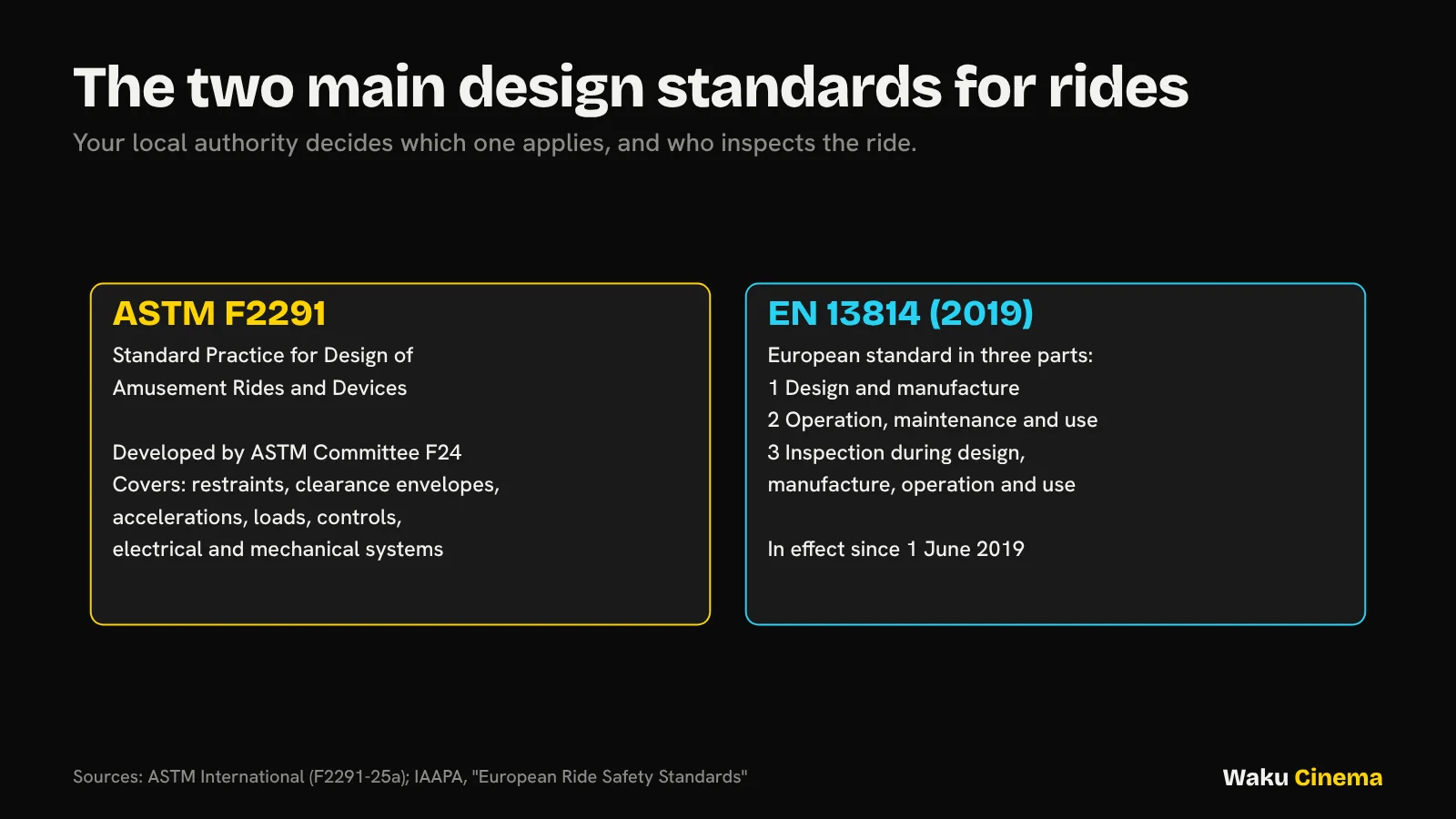
Check early whether your local authority inspects motion rides before they open to the public. The two main design references are ASTM F2291, Standard Practice for Design of Amusement Rides and Devices (ASTM Committee F24), and the European standard EN 13814, whose 2019 edition has three parts: design and manufacture, operation and maintenance, and inspection. Your local law decides which one applies. Ask the authority that licenses attractions where you will operate which standard its inspector uses and which documents the manufacturer must supply, then send the answer to every supplier. Waku can supply copies of its product test documents, patent certificates and software copyright registrations on request.
What should be ready before the theater arrives?
The room built to the layout drawing, the 380 V three-phase supply and air conditioning in place, and access wide enough for the largest package. Waku engineers then install and commission the theater, load the films, set up the motion programmes and train your staff in daily start-up, one-key playback and routine checks. Waku theaters have a one-year warranty and free film updates.
To compare suppliers before you order, use our ten questions to ask a flying theater manufacturer; the full budget is in our cost guide.
Working through an agent, or planning to resell theaters in your market? See sourcing agent or direct factory and becoming a flying theater distributor.
Frequently asked questions
How long does it take to import a flying theater from China?
Production of a Waku theater takes 20 to 25 days after the order. Add the shipping time for your route, customs clearance and a few days of installation and training on site.
Should I buy FOB or CIF?
FOB if your own freight forwarder books the sea freight and insurance; CIF if you want the seller to book them. Under both, the risk passes to you once the goods are on board at the Chinese port.
Which safety standard applies to a 5D cinema or flying theater?
Your local authority decides. The two main design references are ASTM F2291 and EN 13814; ask which one the inspector uses before you order.
Which documents does customs ask for?
Usually the commercial invoice, packing list and bill of lading, plus a certificate of origin if you claim a lower duty rate. Your customs broker confirms the local list.
Does Waku install the theater abroad?
Yes. Waku engineers install and commission the theater on site, load the films and train your staff.
Talk to the factory
Tell us your country, venue size and ceiling height. We reply with a recommendation and a quotation.