What Is the Difference Between 4D, 5D, 7D and 9D Cinema?
None of these names is a technical standard. What 4D, 5D, 7D and 9D usually mean in quotations, the four things to compare instead, and which format suits group attractions.
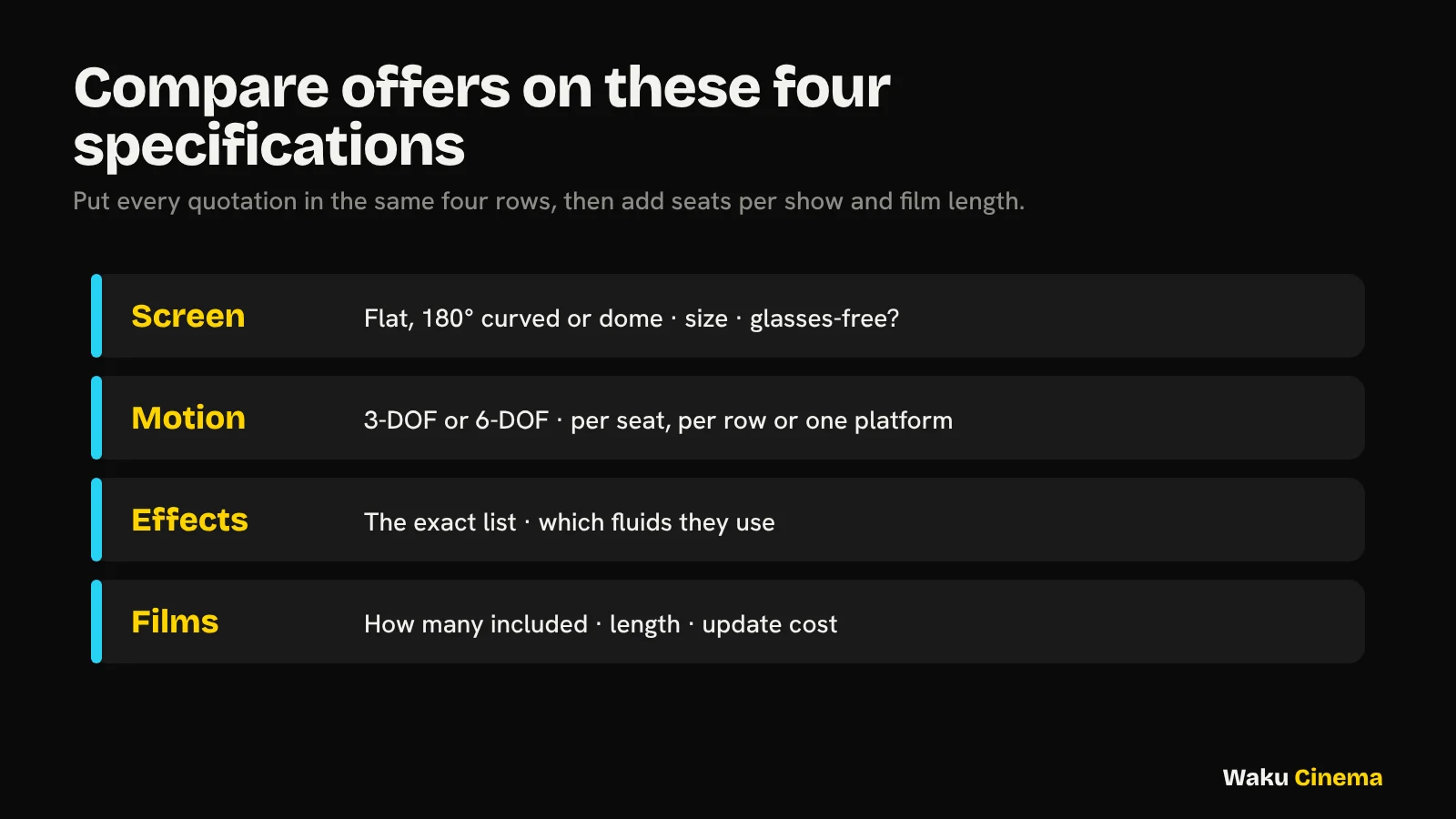
4D, 5D, 7D and 9D are sales names, not technical standards, and two suppliers can use the same name for different equipment. In most quotations, 4D means a 3D film with motion seats, 5D adds physical effects such as wind, rain and snow, 7D adds an interactive game element, and 9D usually means a VR-headset ride on a motion seat. Compare offers by four specifications instead of the number: screen, motion system, effects and films.
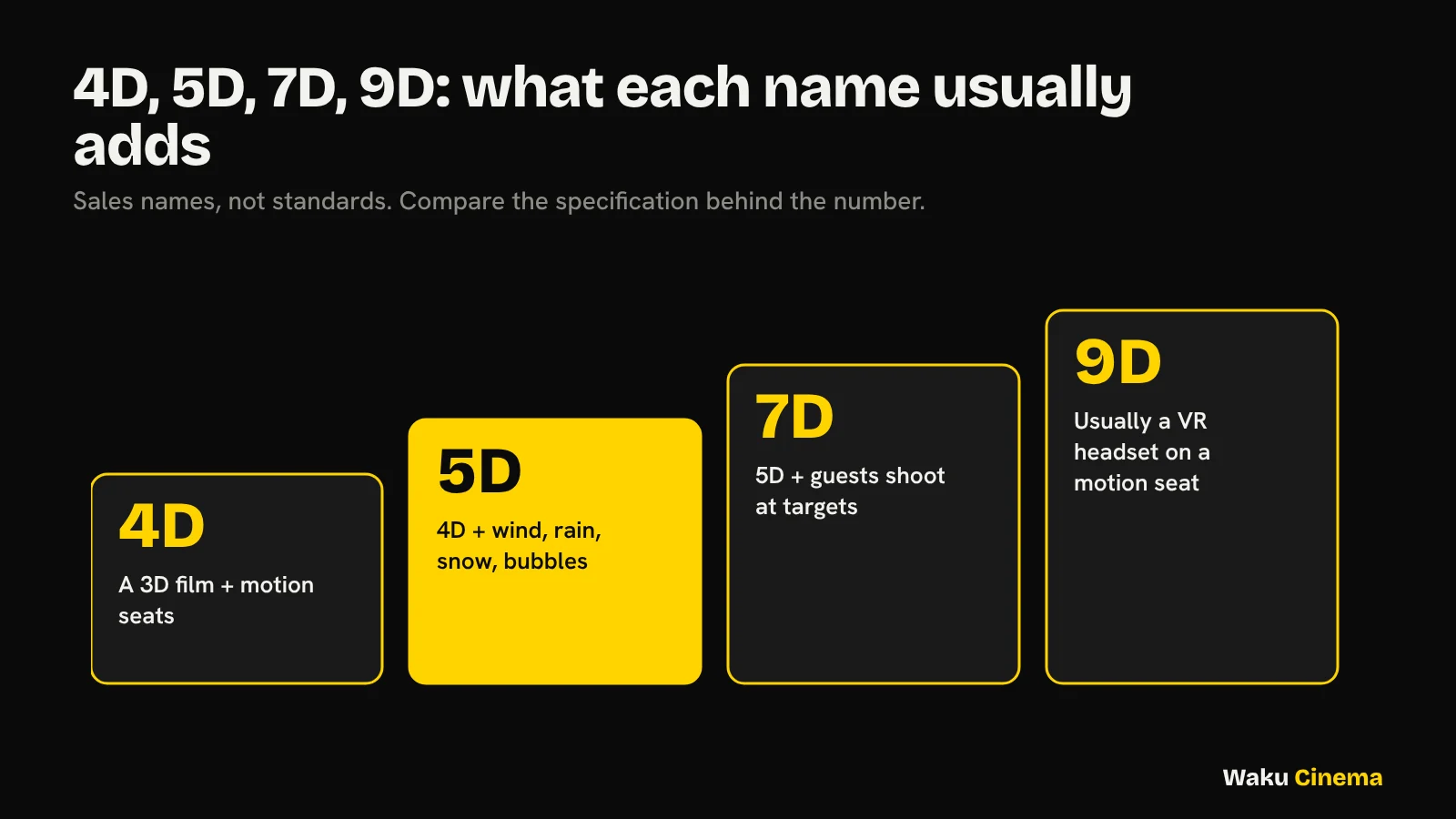
What does each name usually include?
| Name | Image | Motion | Effects | Guests per unit |
|---|---|---|---|---|
| 4D cinema | 3D film on a screen | Motion seats | Few or none | A room of seats |
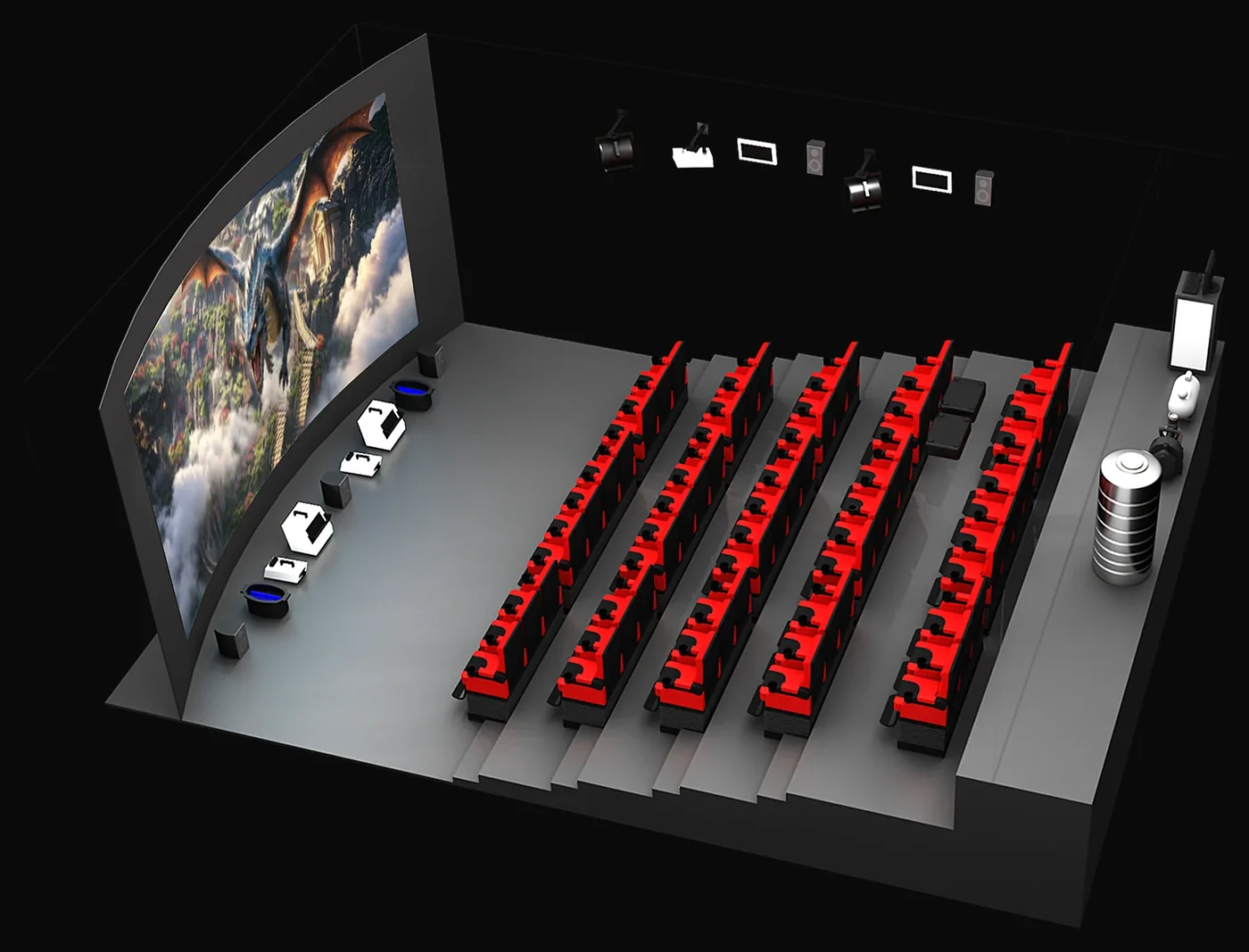
| 5D cinema | 3D film on a screen | Motion seats | Wind, water, snow, bubbles and others | A room of seats |
| 7D cinema | 3D film on a screen | Motion seats | As 5D, plus targets guests shoot at | A room of seats |
| 9D cinema | Usually a VR headset | A motion seat or pod | Varies | Usually 1 to 6 per unit |
What should I compare instead of the number?
- Screen: flat, 180° curved or dome; its size; projection or LED; whether guests need glasses.
- Motion: how many degrees of freedom (3-DOF or 6-DOF), whether seats move individually, in rows or as one platform. See 3-DOF or 6-DOF: which motion platform do I need.
- Effects: the exact list, such as wind, rain, snow, mist, lightning and bubbles, and which consumables they use.
- Films: how many are included, their length, and whether updates are charged.
Is a screen-based 5D cinema or a 9D VR ride better for a venue?
They serve different operations. A screen-based theater takes a whole group per show and needs no headsets to clean or fit, so loading is fast and families ride together. A VR ride takes a few guests per unit, and staff fit and clean a headset for every rider. For high footfall and groups, a screen-based theater moves more guests per hour; VR units suit small spaces where a few riders at a time is enough.
Where do Waku’s theaters fit in these names?
| Model | Screen | Motion | Seats per show |
|---|---|---|---|
| 5D flying theater | 180° curved, glasses-free, 4K laser or LED | 3-DOF motion seats in rows | 10 / 16 / 30 / 60 |
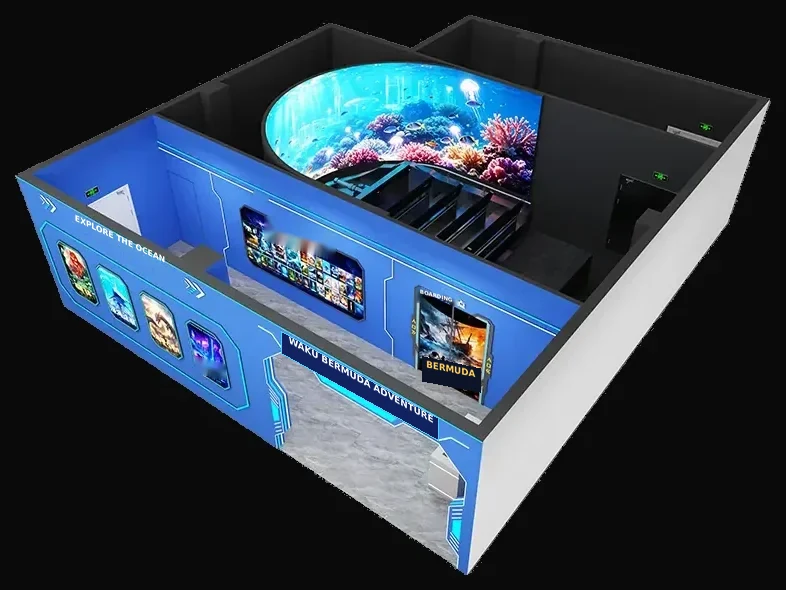
| Bermuda Adventure | Arc or ring screen, 4K laser | 6-DOF electric platform, boat-shaped cabin | 15 / 20 / 30 |
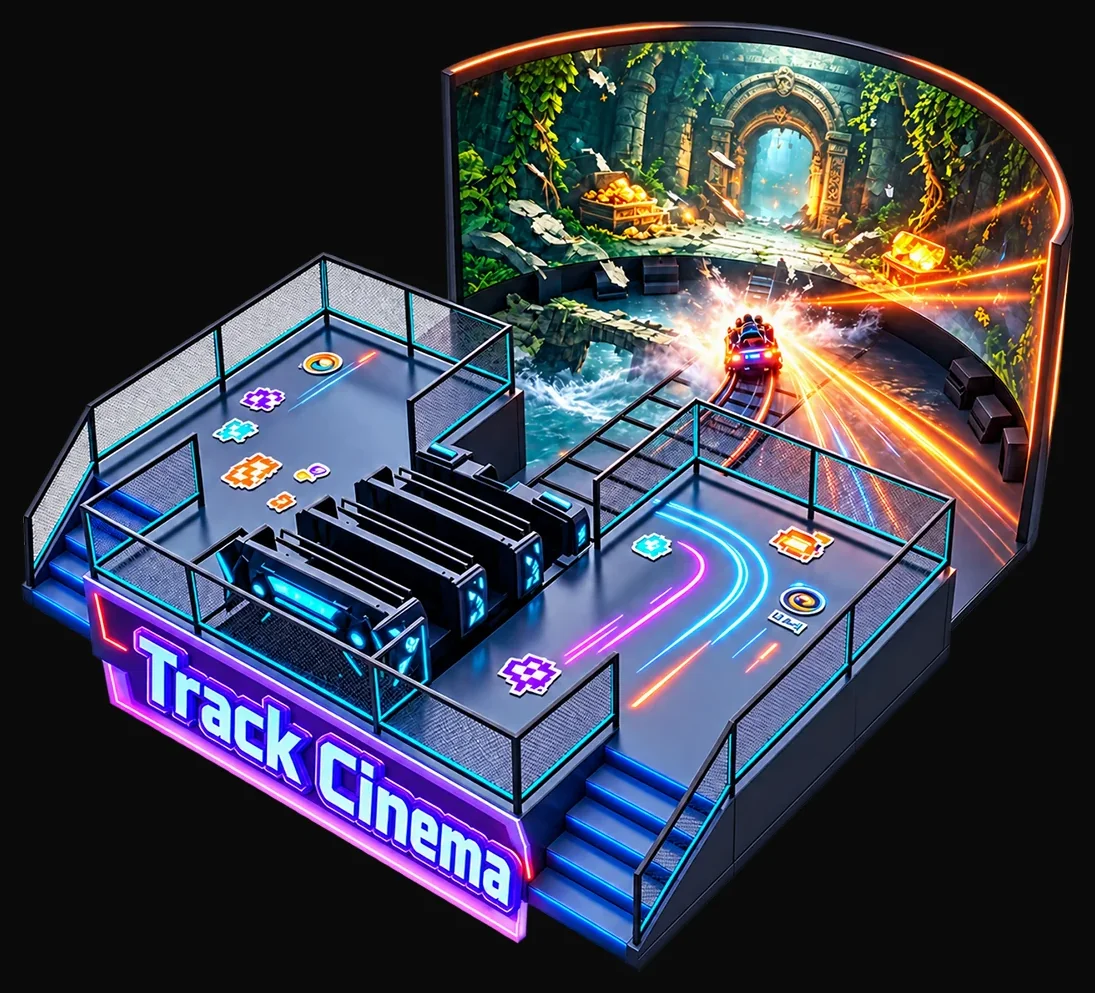
| Track cinema | 180° curved, 4K laser | Motion vehicle on a track | 10 / 15 |
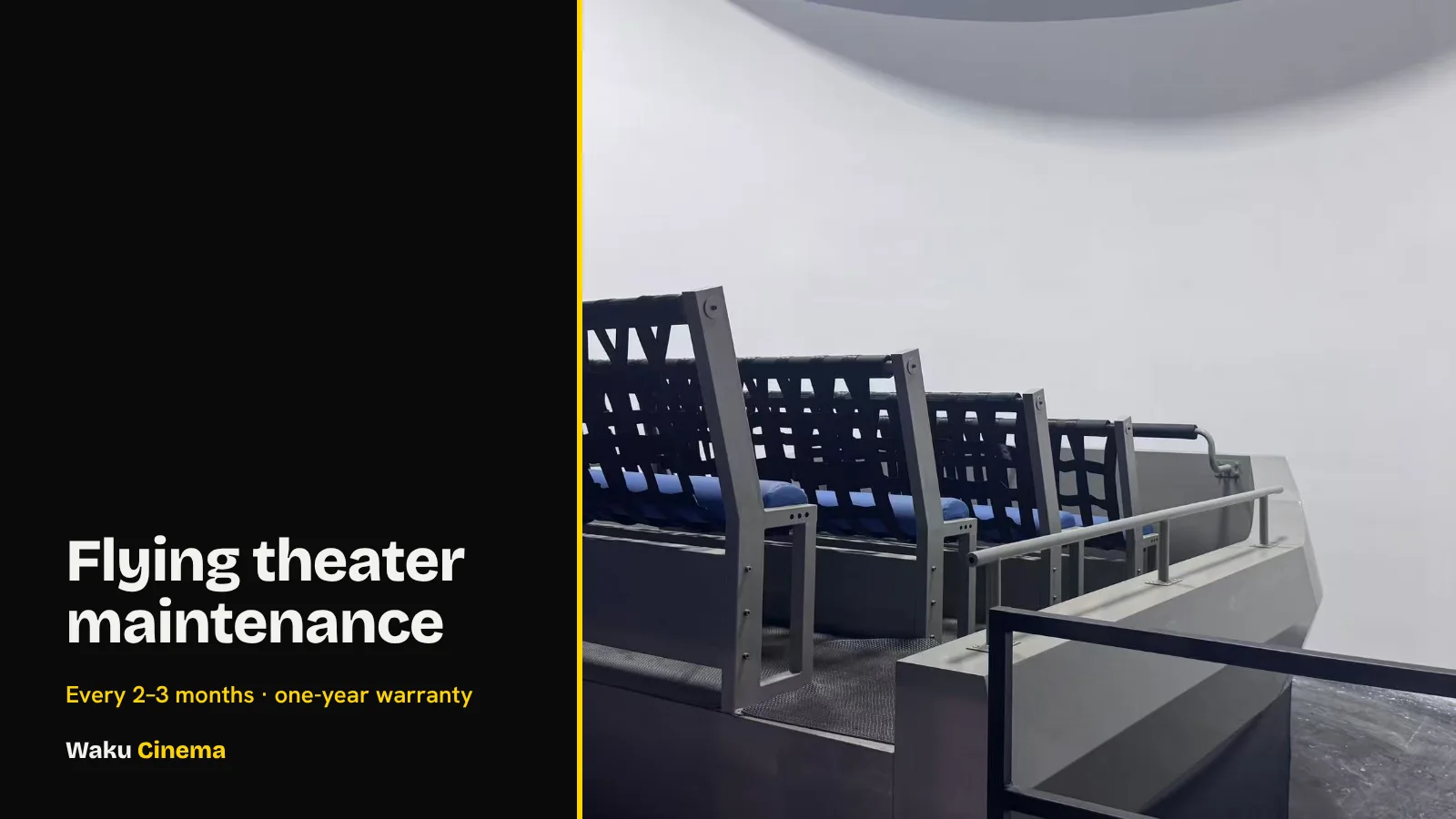
| Dome flying theater | Hemispherical dome, 3.8–12 m | Suspended motion seats | 8 / 16 / 24 / 32 |
All four use physical effects (wind, rain, snow and others) and glasses-free images, so in supplier terms each is at least a 5D theater.
How does a 5D cinema work?
Three systems run from one show controller. The projector or LED wall shows a 3D film; the motion seats, driven by electric actuators, follow a motion track programmed for that film; and the effects (wind, water spray, snow, bubbles and more) fire on cues in the same timeline. The guest feels the drop or the turn at the moment the image shows it, which is what the extra “D” numbers refer to.
Is a 5D cinema real, and what are 4DX and 12D?
Yes. 5D cinema is a real product category, but the name describes a combination of image, motion and effects rather than a fifth dimension. 4DX is a brand of CJ 4DPlex for motion-seat auditoriums in multiplex cinemas that show feature films. 12D, like 7D and 9D, is a sales name used mainly in amusement venues; it does not describe a specific system, so ask what the screen, motion and effects actually are.
How do I compare two quotations?
Put both offers into the four rows above, add seats per show and film length, and calculate guests per hour: seats × (60 ÷ cycle minutes). Our revenue guide shows the calculation. To get our figures for your venue, send your floor plan and ceiling height.
For the ride behind most of these names, read what a flying theater is and how it works.
Frequently asked questions
What is the difference between 4D and 5D cinema?
There is no standard difference. Both usually mean a 3D film with motion seats and effects; some suppliers call it 5D when effects such as wind, water or snow are added. Compare the actual screen, seat motion and effects.
Is 5D cinema real?
Yes. The equipment is real; the name is a sales term for 3D images combined with motion seats and physical effects.
Is 9D better than 5D?
Not by itself. The number is a sales name. Compare the screen, motion system, effects, films and guests per hour.
What does 5D cinema mean?
Usually a 3D film with motion seats and physical effects such as wind, water spray, snow and bubbles.
Do Waku theaters need 3D glasses?
No. All four models use glasses-free images.
Which format moves the most guests per hour?
A screen-based theater with many seats per show. The Waku 5D flying theater seats up to 60 per show.
Talk to the factory
Tell us your country, venue size and ceiling height. We reply with a recommendation and a quotation.